

If you have noticed chronic watery eyes, wet facial fur, or white crusty buildup beneath your house rabbit's eye, your pet may be suffering from a blocked tear duct (nasolacrimal duct obstruction). Because of a rabbit's unique skull anatomy, tear duct issues are rarely just simple eye infections—they are frequently the first visible warning sign of underlying dental root disease.
A rabbit's nasolacrimal (tear) duct has only a single opening (punctum) in the lower eyelid. The duct follows an extraordinarily narrow, S-curved path through the maxilla bone, passing millimeters away from the upper incisor and premolar tooth roots before emptying into the nose. Any elongation or inflammation of dental roots squeezes this fragile duct shut.
Understanding the Rabbit Nasolacrimal System
In healthy rabbits, tears are continuously produced by the lacrimal gland to lubricate the cornea. Surplus tear fluid drains out of the eye through a tiny puncture (punctum) located inside the lower eyelid, travels down the narrow nasolacrimal duct, and drains harmlessly into the nasal cavity. This is why healthy rabbits never have watery eyes or runny noses.
When the duct becomes blocked—whether by thick inflammatory pus, mucus plugs, foreign hay dust, or external compression from overgrown tooth roots—tears overflow continuously over the lower eyelid. This clinical condition is known as epiphora.

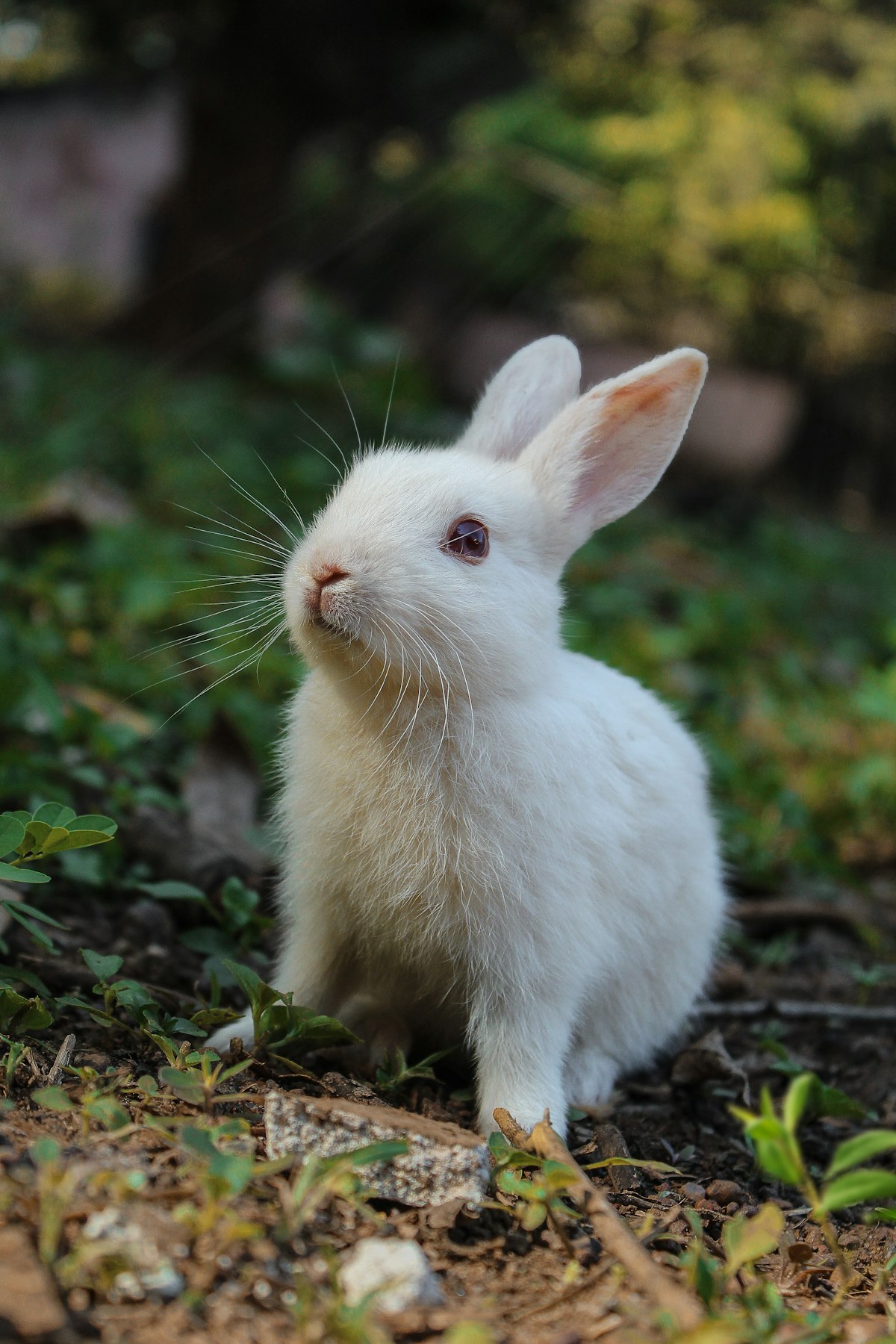
Examining a rabbit's eye contour for wetness, fur loss, and tear duct irritation.
Recognizing the Symptoms of a Blocked Tear Duct
Tear duct obstructions develop gradually or suddenly depending on the underlying cause. Watch for these distinct clinical signs:
- Persistent Wetness Below the Eye (Epiphora): Damp, matted fur underneath one or both eyes that remains moist despite wiping.
- White, Milky, or Crusty Discharge: As accumulated tears stagnate inside the blocked duct, bacteria multiply, creating thick white or creamy discharge (dacryocystitis).
- Facial Skin Scald (Dermatitis): Constant tear overflow causes painful skin inflammation, hair loss (alopecia), red raw skin, and scabbing under the eyes.
- White Nasal Runoff: If the duct is only partially blocked, thick white fluid may spill out of the nostril on the affected side.
- Frequent Eye Grooming: The rabbit frequently rubs their eye with their front paws or rubs their face against carpets to relieve itching.
Top 4 Causes of Blocked Tear Ducts in Rabbits
1. Dental Root Elongation & Molar Spurs
Rabbits have elodont teeth that grow continuously throughout their lives. If a rabbit does not chew sufficient coarse grass hay, tooth crowns do not wear down evenly. The upper incisors and premolars develop retrograde root growth, extending upward into the maxillary bone and compressing the narrow lacrimal duct like a kinked garden hose.
2. Bacterial Dacryocystitis
Infections caused by Pasteurella multocida, Staphylococcus aureus, or Pseudomonas can colonize the nasolacrimal sac. Rabbit pus is thick and paste-like, creating solid inflammatory plugs that physically seal the duct lumen.
3. Environmental Irritants & Dusty Bedding
Low-grade dusty hay, pine or cedar wood shavings, fine clay litter, or ambient carpet dust enter the tear film and accumulate in the lacrimal punctum, triggering inflammatory blockage.
4. Brachycephalic & Lop-Eared Skull Breed Anatomy
Flat-faced breeds such as Netherland Dwarfs and Holland Lops have shortened facial bones. Their nasolacrimal ducts feature extremely sharp anatomical bends, making them significantly more prone to chronic tear duct blockage than wild-type flat-profile breeds.
What Happens at the Vet? The Flushing Procedure
If home wiping does not clear your rabbit's eye within 24 to 48 hours, an exotic vet evaluation is mandatory. The veterinarian will perform a systematic diagnostic and flushing procedure:

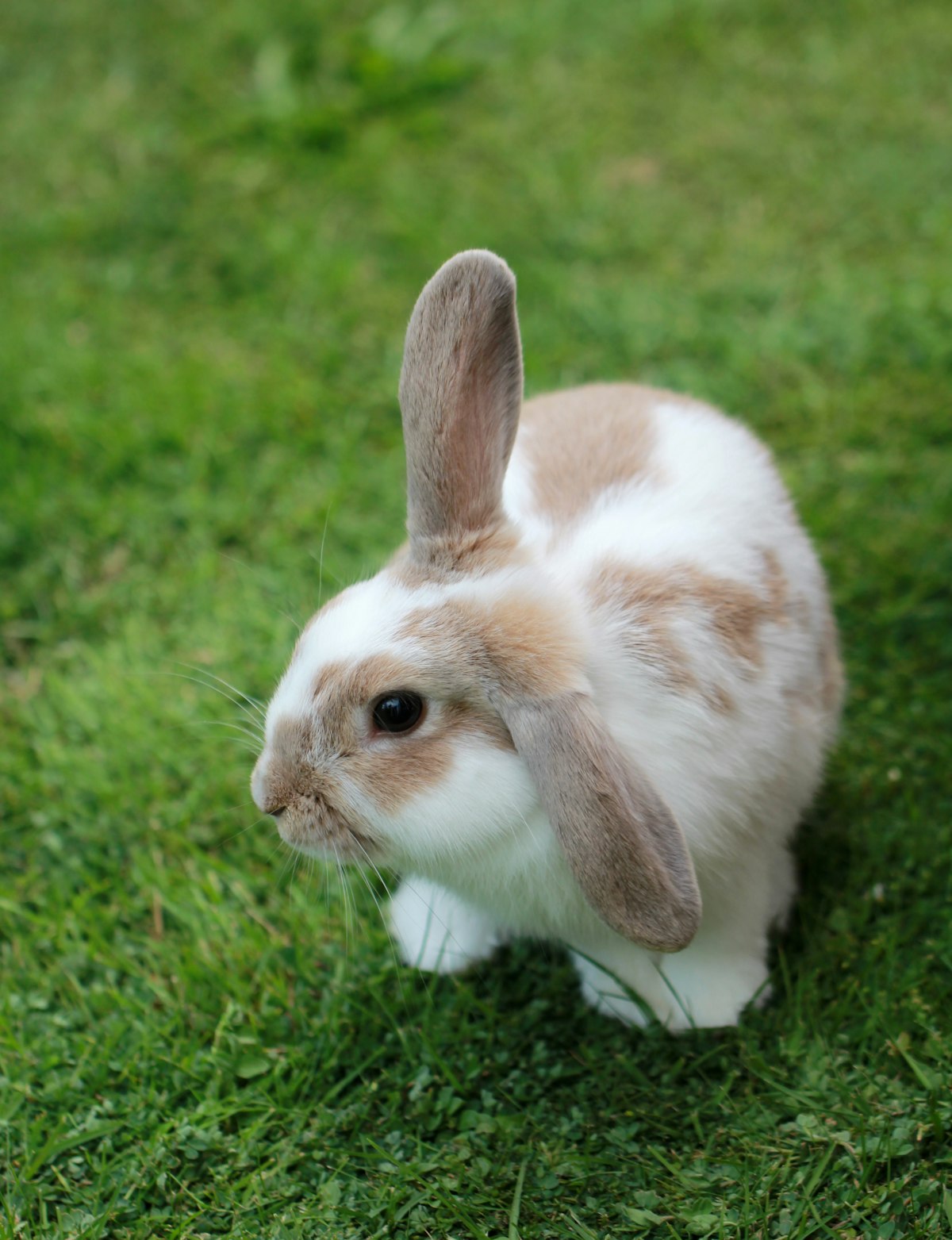
Gentle facial support during veterinary examination and warm saline compresses.
- Fluorescein Dye Test: The vet places a drop of non-toxic orange fluorescein dye into the eye. In a rabbit with open ducts, bright green dye appears at the nostril within 2 to 5 minutes. If no dye reaches the nose, the duct is confirmed blocked.
- Topical Anesthesia: Local anesthetic drops (such as Proparacaine) are applied directly to the eye, rendering the procedure completely painless.
- Nasolacrimal Cannulation & Flushing: The vet inserts a tiny, blunt-tipped 23-gauge plastic lacrimal cannula into the lower punctum. Using a syringe filled with sterile saline, the vet gently flushes the duct. This washes out thick white pus plugs, opening the airway into the nose.
- Diagnostic Skull Radiographs (X-Rays): If the flush meets hard resistance or fails to clear, skull X-rays or CT scans are taken to assess premolar tooth root invasion.
Differential Diagnosis Table: Eye Symptoms Comparison
| Condition | Primary Discharge | Eyelid & Eye Appearance | Key Diagnostic Finding |
|---|---|---|---|
| Blocked Tear Duct | Watery tears overflowing to white pasty crusts | Eye clear & bright; facial skin underneath wet/scalded | Negative fluorescein dye passage to nose |
| Bacterial Conjunctivitis | Thick yellow/green purulent mucus | Conjunctiva swollen, bright red, puffy eyelids | Inflammatory red membrane swelling (chemosis) |
| Dental Abscess (Retrobulbar) | Profuse milky discharge | Eye physically bulging outward (Exophthalmos) | Palpable jaw swelling or root mass on X-Ray |
| Corneal Ulcer | Profuse watery lacrimation | Eye clamped shut, cloudy haze on cornea surface | Fluorescein dye sticks directly to corneal scratch |
At-Home Care & Skin Protection Protocol
While veterinary treatments (antibiotic drops and lacrimal flushing) address the internal blockage, your daily care prevents painful facial skin breakdown:
- Gentle Warm Saline Wipes: Soak a sterile cotton pad in warm isotonic saline solution. Hold it gently against the crusted lower eyelid for 30 seconds to soften dried discharge. Wipe downward and outward away from the cornea.
- Apply a Protective Barrier Ointment: To prevent tear fluid from burning the skin (facial scald), apply a thin layer of plain medical-grade vaseline, sterile ophthalmic lubricant (such as GenTeal PM), or zinc-free barrier cream to the bare skin beneath the eye. Never put non-ophthalmic creams inside the eye itself.
- Comb out Matted Fur: Use a fine flea comb to gently remove hardened crusts from the cheek fur before they tear sensitive skin.
Preventing Recurrence: Long-Term Management
Rabbits prone to chronic tear duct obstructions require ongoing preventative care:
- Maximize Coarse Hay Fiber: Feed unlimited 1st cut Timothy or Meadow hay to encourage 24/7 lateral jaw grinding, keeping molar roots trimmed.
- Switch to Dust-Free Paper Bedding: Eliminate dusty pine shavings, sawdust, or clay litters. Use dust-screened recycled paper pellets.
- Install a HEPA Air Purifier: Keep ambient airborne dust and dander low near your rabbit's main pen enclosure.
- Bi-Annual Dental Checks: Have your exotic vet examine molar crowns with an otoscope during routine checkups to catch sharp dental spurs early.
Frequently Asked Questions (FAQ)
Can I flush my rabbit's tear duct at home?
No. You should never attempt to insert a cannula into your rabbit's lacrimal duct at home. The lacrimal punctum is delicate, and sudden movement can rupture the duct, cause permanent scar tissue, or puncture the globe. Duct flushing must only be performed by a trained exotic veterinarian.
Are antibiotic eye drops enough to cure a blocked tear duct?
Eye drops alone are rarely sufficient if the duct is completely occluded with thick pus plugs or compressed by tooth roots. Topical antibiotic drops treat secondary eye irritation, but mechanical flushing by a vet is necessary to clear the blockage path.
Why does my rabbit's tear duct block keep coming back every few months?
Recurrent tear duct blockages are almost always driven by progressive dental root elongation (elongated tooth roots encroaching on the lacrimal canal). In chronic cases, periodic vet flushing every 3 to 6 months combined with dietary fiber adjustments is required for long-term comfort.
Early diagnosis of a blocked tear duct prevents painful facial skin scald and allows early identification of molar root disease. If your rabbit exhibits watery eyes or crusting, schedule an exotic vet examination promptly.