
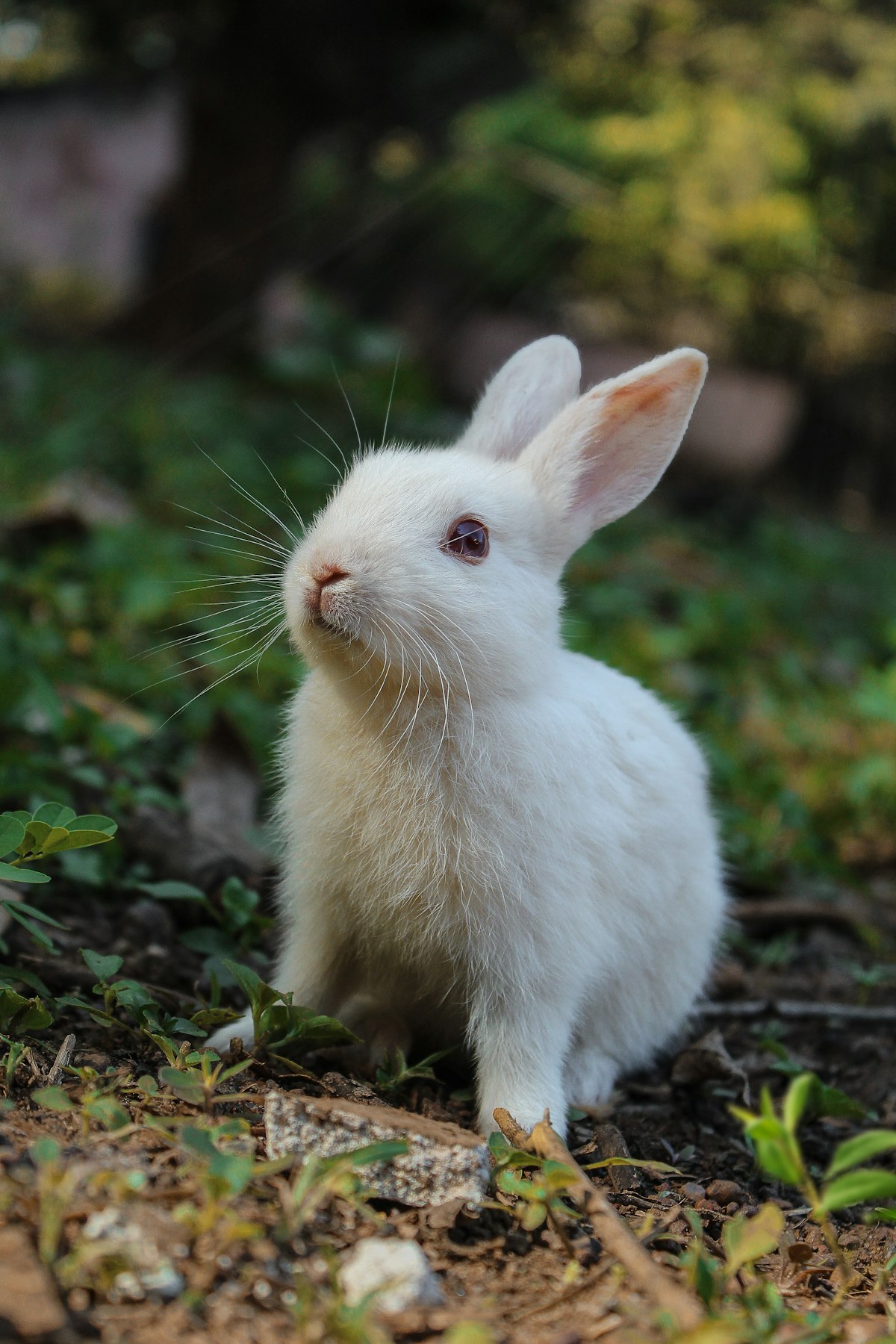
House rabbits are naturally clean animals that prefer to deposit droppings and urine in one consistent corner. By leveraging their natural digestive instincts, you can easily litter train both young kits and adult rescued bunnies.
Essential Litter Box Supplies Checklist
- Large Open Cat Litter Box: High sides with a low entry cut-out. Avoid covered boxes or small corner boxes.
- Safe Paper-Based Litter Pellets: Use dust-free recycled paper pellets (such as Yesterday's News or Carefresh). Never use pine/cedar wood shavings or clumping clay cat litter.
- Unlimited Fresh Grass Hay: Placed directly inside or in a rack mounted over the litter box.
The 5-Step Litter Training Protocol
Step 1: The Hay-in-Box Setup Trick
Rabbits have a unique gastrointestinal reflex: they chew hay and eliminate simultaneously. By placing a generous pile of fresh Timothy hay inside the litter box (or directly over it), your rabbit will naturally hop into the box to eat and immediately learn to use the litter.
Step 2: Restrict Space Initially
Start your rabbit in a confined exercise pen (x-pen) or small room with their litter box. Giving a non-litter-trained rabbit full free-roam access to a house too early leads to territorial marking accidents.
Step 3: Observe Corner Preference
If your bunny consistently urinates in a different corner of their pen, move the litter box to that exact corner instead of forcing them to use your chosen spot.
Step 4: Clean Accidents with Enzyme Cleaner
Never scold or punish a rabbit for accidents. Wipe up urine with a paper towel, place the soaked paper towel inside the litter box, and clean the floor with white vinegar or an enzymatic pet cleaner to remove scent marks.
Step 5: The Crucial Role of Spaying and Neutering
Hormones are the #1 cause of litter box training failure. Intact rabbits instinctively spray urine and drop territorial droppings. Desexing your rabbit at 4-6 months reduces territorial spraying by over 95%.