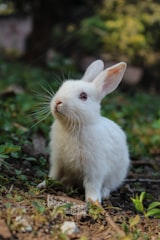


If your living room is suddenly covered in floating tufts of fur or your house rabbit looks like they are wearing a patchy, mismatched coat, don't panic—your rabbit is experiencing a seasonal moult (molting). While moulting in rabbits is a completely natural biological process, heavy shedding poses a major, hidden digestive danger that every rabbit owner must actively manage.
Unlike cats that routinely cough up ingested fur as hairballs, rabbits possess a one-way stomach valve (cardia) that physically prevents vomiting. Every single strand of loose fur ingested during self-grooming must pass completely through the stomach and intestines. Without daily grooming and high crude fiber, ingested fur forms dense hairballs (trichobezoars) that trigger fatal gastrointestinal stasis.
Understanding the Rabbit Moulting Cycle
Rabbits typically undergo two major heavy moults and two light moults each year, influenced by changes in daylight hours and ambient temperature:
- Spring Heavy Moult: The dense, plush winter undercoat sheds out to make way for a lighter, cooler summer coat. This is usually the heaviest shedding period of the year.
- Autumn Heavy Moult: The summer coat drops out to prepare for thick winter fur growth.
- Light Intermittent Sheds: Occur during summer and winter, causing minor fur loss along the spine and hips.
Decoding Distinctive Rabbit Moult Patterns
Every rabbit sheds differently. Some rabbits shed evenly, while others present bizarre visual patterns that worry first-time owners:

Daily grooming during heavy moulting cycles prevents fur ingestion and digestive blockages.
1. The "Line Moult" (Head to Tail Wave)
The shed starts at the forehead, creating a distinct raised ridge or line of loose fur that moves progressively down the face, over the shoulders, down the back, and ends at the rump over 2 to 3 weeks.
2. The "Hummingbird" & Patchy Moult
Common in Netherland Dwarfs and Lop breeds, fur comes out in random loose tufts, giving the rabbit a disheveled, "moth-eaten" appearance. Dark skin patches may appear on the skin where new hair follicles are actively growing—this is completely normal hyperpigmentation, not disease.
3. Coat Color Shifting
Agouti, Harlequin, and Tortie colored rabbits often undergo dramatic temporary color changes during a moult as old faded guard hairs fall away to reveal vibrant new fur underneath.
Essential Grooming Toolkit for Heavy Shedding
Using improper brushes can scratch delicate rabbit skin or fail to pull out loose undercoat fur. Here are the most effective grooming tools for rabbit owners:
- The HairBuster Comb (Gold Standard): Features a specialized rubber band woven through metal teeth that catches loose static undercoat fur without pulling healthy skin.
- Rubber ZoomGroom / Curry Brushes: Soft rubber nubs that massage the skin while gently lifting loose surface hair. Excellent for short-coated breeds like Rexes.
- Damp Hands Technique: Wet your hands slightly with tap water and stroke your rabbit from head to tail. The dampness collects massive amounts of loose fur naturally without any tools.
- Slicker Brushes (Soft Tipped Only): Useful for long-haired breeds (Angoras and Lionheads), provided the wire bristles have soft protective plastic tips.
Step-by-Step Heavy Moult Grooming Protocol

Providing unlimited fresh Timothy hay ensures high crude fiber pushes ingested fur safely through the gut.
- Gentle Hand-Plucking: Use your thumb and forefinger to gently pinch loose tufts of fur sticking out from the coat. If the fur is ready to shed, it will slide out effortlessly with zero resistance. Never pull firmly on anchored fur.
- Comb in Short, Gentle Strokes: Hold the base of the fur near the skin with one hand while combing outward with the HairBuster comb to avoid tugging on the skin.
- Pay Extra Attention to the Rump & Flanks: The area above the tail and behind the rear legs accumulates the densest mats of shed undercoat.
- Finish with a Damp Cloth Wipedown: Wipe your rabbit down with a moist microfiber cloth to trap remaining loose floating hairs so your rabbit doesn't ingest them while grooming.
Distinguishing Normal Moulting from Parasitic Hair Loss
Not all fur loss is normal moulting. Use the following clinical comparison table to determine if your rabbit needs veterinary treatment for skin parasites:
| Feature | Normal Seasonal Moult | Cheyletiella Fur Mites ("Walking Dandruff") | Ringworm (Fungal Infection) |
|---|---|---|---|
| Skin Condition | Smooth, clean, pink or dark grey skin underneath | Flaky white dandruff flakes, red crusting along spine | Crusty, circular red scabs on nose, ears, paws |
| Itching & Scratching | Minimal or normal daily grooming | Intense itching, scratching, biting back fur | Moderate scratching focused on face/ears |
| Fur Loss Pattern | Symmetrical waves, lines, or random loose tufts | Large patches of hair falling out over shoulders/hips | Round bald spots with broken hair shafts |
| Treatment Needed | Daily combing & high fiber diet | Vet-prescribed Revolution (Selamectin) spot-on | Topical or oral antifungal medication |
Dietary Protections During Shedding Season
Help your rabbit process ingested fur safely by optimizing their digestive diet during heavy moults:
- Increase Coarse Crude Fiber (1st Cut Timothy Hay): Coarse, long-strand fiber acts like a broom inside the stomach, binding to strands of fur and pushing them continuously through the intestines.
- Ensure Constant Fresh Water: Hydration keeps the stomach slurry moist, preventing ingested fur from drying into a hard, dense mat inside the cecum.
- Monitor Dropping Size & Texture: Watch for "string-of-pearls" droppings—fecal pellets linked together by strands of ingested hair. This indicates fur is passing successfully, but signals that you must increase daily brushing immediately.
The Papaya & Pineapple Enzyme Myth: What Science Says
For decades, rabbit books recommended feeding papaya or pineapple juice during a moult, claiming enzymes like papain and bromelain dissolve hairballs. Modern veterinary studies have disproven this: plant enzymes cannot break down keratin (the protein that forms hair). Furthermore, high-sugar fruit juices fuel dangerous bacterial growth in the cecum. Stick to fresh water, daily grooming, and high-fiber Timothy hay.
Frequently Asked Questions (FAQ)
How long does a heavy rabbit moult last?
A typical heavy moult lasts between 2 to 6 weeks from start to finish. Long-haired breeds (like Angoras or Lionheads) or rabbits kept in environments with fluctuating artificial light may shed continuously for up to 8 weeks.
Why is my rabbit's skin turning dark grey or black where fur fell out?
Don't worry—dark grey or black skin during a moult is completely normal in rabbits with dark fur (agouti, black, or blue coats). It indicates active melanin production in new hair follicles beneath the skin surface. As new fur grows in, the skin turns light pink again.
What should I do if I see droppings tied together by hair?
"String-of-pearls" droppings mean your rabbit is ingesting significant amounts of fur, but their digestive motility is currently working well enough to pass it. Treat this as an urgent warning sign: brush your rabbit thoroughly twice daily and double their hay supply to prevent a complete gut blockage.
Proactive daily grooming during seasonal moults protects house rabbits from fatal intestinal hairballs, deepens your bonding connection, and keeps your home clean.